Exploring Musical Instruments: A Comprehensive Guide to Types, Learning Pathways, and Considerations
The world of music offers a vast landscape of instruments and learning opportunities. This guide delves into the diverse realm of musical instruments, exploring their various categories, the pathways to acquiring proficiency, and the long-term aspects of musical instrument ownership and learning. This information is presented purely for educational purposes and aims to provide a comprehensive overview without commercial intent.
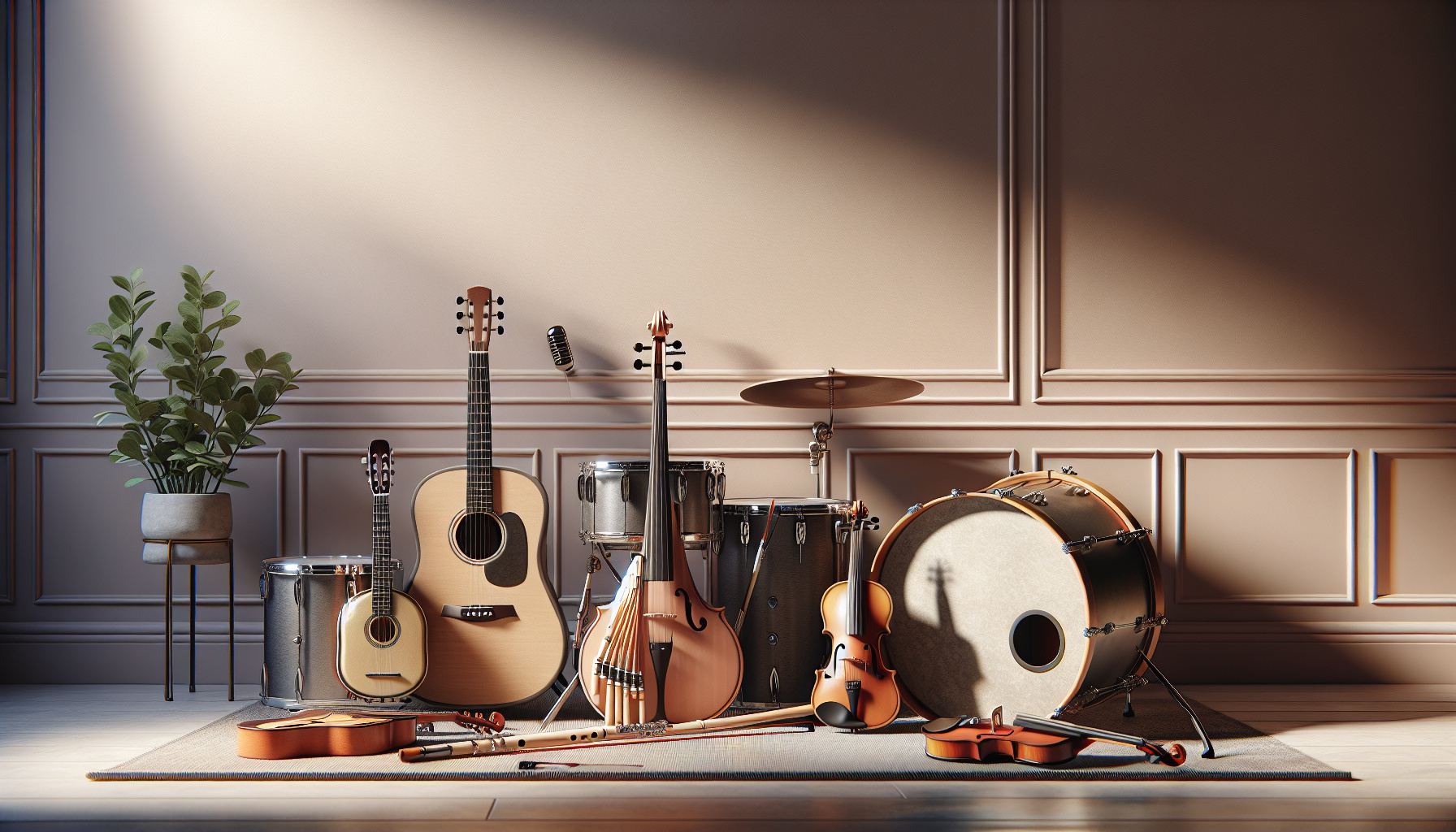
The allure of music is universal, and musical instruments serve as the primary vehicles for expression and creation within this art form. From the resonating tones of a grand piano to the intricate melodies produced by a violin, each instrument offers a unique sonic experience. Understanding the landscape of musical instruments is the first step for anyone considering learning to play or simply appreciating the art of music. This guide provides a detailed exploration of musical instruments, designed to inform and educate without any commercial focus.
Classifying Musical Instruments
Musical instruments are typically categorized based on how sound is produced. This classification system, often referred to as the Hornbostel-Sachs system, helps organize the vast array of instruments found worldwide. Understanding these categories can help aspiring musicians narrow down their choices and appreciate the nuances of different instruments.
Aerophones
Aerophones produce sound by the vibration of a column of air. This category includes wind instruments, where air is either blown directly into the instrument (e.g., flute, recorder) or passed over a vibrating reed (e.g., clarinet, saxophone, oboe). The pitch is controlled by changing the length of the air column through the use of keys, valves, or finger holes.
Chordophones
Chordophones produce sound through the vibration of strings. This broad category includes string instruments, such as the guitar, piano, violin, cello, and harp. The strings can be plucked (guitar, harp), bowed (violin, cello), or struck (piano) to create sound. The pitch of a string is determined by its length, tension, and mass.
Idiophones
Idiophones produce sound through the vibration of the instrument's body itself. This category includes instruments like cymbals, xylophones, marimbas, triangles, and gongs. Sound is produced by striking, scraping, or shaking the instrument. The materials and shape of the instrument significantly influence the timbre (tone quality).
Membranophones
Membranophones produce sound through the vibration of a stretched membrane. This category mainly encompasses percussion instruments like drums. The sound is produced by striking the membrane with a hand, stick, or beater. The pitch is often determined by the size and tension of the membrane.
Electrophones
Electrophones are instruments that produce sound electronically. This category includes instruments like synthesizers, electric guitars, and electronic keyboards. These instruments use electronic circuits to generate and manipulate sound, offering a vast array of sonic possibilities. The use of electricity fundamentally changes the way sound is produced and controlled in these instruments, distinguishing them from their acoustic counterparts.
Choosing a Musical Instrument: Considerations and Guidance
Selecting a musical instrument is a personal journey. Several factors should be considered, including musical preferences, physical attributes, available resources, and long-term commitment. This section provides guidance to assist in this decision-making process.
Musical Preference and Genre
The genre of music that interests you is a crucial starting point. If you enjoy classical music, instruments like the violin, piano, or cello might be a natural fit. For those drawn to rock or pop, the electric guitar, bass guitar, drums, or keyboards could be more appealing. Consider which types of music resonate most with your interests, as this will affect your motivation to learn and practice. Listening to different genres and identifying the instruments that create your preferred sounds is a great way to start.
Physical Considerations
Physical attributes can influence instrument choice. Smaller individuals might find a smaller violin or a ukulele more comfortable to handle. The physical demands of instruments vary widely. Playing the tuba or double bass requires significant physical strength, while playing the flute or clarinet demands a degree of coordination and breath control. It's essential to consider your physical capabilities and any potential limitations.
Financial Resources
The cost of musical instruments varies dramatically. Beginner instruments are often more affordable, but prices can increase significantly for professional-grade instruments. Consider the ongoing costs, including instrument maintenance, accessories (such as reeds, strings, and cleaning supplies), and potential repair expenses. Lessons also represent a significant financial investment.
Learning Resources and Availability of Instruction
The availability of learning resources, such as teachers, schools, online courses, and instructional materials, is a critical factor. Some instruments have more readily available resources than others. For example, piano and guitar lessons are widely accessible, while finding specialized instruction for instruments like the oboe or harp might be more challenging. Before committing to an instrument, research the available learning options in your area or online.
Time Commitment
Learning a musical instrument requires dedication and time. Regular practice is essential for progress. Assess your ability to dedicate time to practice and learning. Consistent practice, even for short periods, is more effective than infrequent, long sessions. Creating a realistic practice schedule that fits your lifestyle is crucial for success.
Learning Pathways
There are multiple paths to learning a musical instrument. Choosing the right one depends on your individual learning style, available resources, and goals. Exploring different pathways can help create a personalized learning plan.
Private Lessons
Private lessons provide personalized instruction from a qualified teacher. This approach offers tailored feedback, customized lesson plans, and guidance. The one-on-one attention can accelerate learning and help address specific challenges. Private lessons, however, can be the most expensive learning option.
Group Lessons
Group lessons offer a more affordable alternative to private lessons. These lessons provide a social learning environment and the opportunity to learn with peers. Group lessons can be beneficial for developing ensemble skills and motivation. The pace of learning might be less individualized compared to private lessons.
Self-Teaching
Self-teaching involves learning an instrument using books, online resources, and self-discipline. This approach offers flexibility and cost savings. However, it requires significant self-motivation, organization, and the ability to identify and correct mistakes. Self-teaching may not be suitable for all instruments or learning styles.
Formal Education
Formal music education programs, such as those offered in schools and universities, provide structured learning environments with comprehensive curricula. These programs often include theory, history, and performance opportunities. Formal education can lead to higher levels of proficiency and career opportunities in music.
Long-Term Considerations
Learning a musical instrument is a long-term commitment that extends beyond the initial learning phase. Understanding the ongoing aspects associated with instrument ownership and playing is essential for success and sustained enjoyment.
Instrument Maintenance and Care
All musical instruments require regular maintenance to function optimally and maintain their value. This includes regular cleaning, tuning (for instruments with strings), oiling (for woodwind instruments), and occasional professional servicing. Neglecting maintenance can lead to performance problems, damage, and costly repairs.
Storage and Environmental Factors
Proper storage is crucial for preserving the condition of an instrument. Instruments should be stored in environments with stable temperatures and humidity levels. Extreme temperatures and humidity fluctuations can cause damage to instruments, particularly those made of wood. Using instrument cases and protective covers can help protect instruments from physical damage during storage and transport.
Practice Schedule and Goal Setting
Establishing a regular practice schedule and setting realistic goals are essential for maintaining progress and motivation. Consistency in practice is more important than the length of individual practice sessions. Setting achievable goals, such as learning a specific piece of music or mastering a particular technique, can provide a sense of accomplishment and help sustain interest.
Musical Community and Performance Opportunities
Participating in musical ensembles, such as bands, orchestras, or chamber groups, can enhance your musical experience and provide opportunities for performance. Performing in front of others can build confidence and improve your skills. Joining a musical community can also offer valuable support, feedback, and encouragement.
Potential Risks and Limitations
Playing a musical instrument can sometimes involve physical risks, such as repetitive strain injuries. Musicians should practice proper posture and technique to minimize the risk of injury. Hearing loss is another potential risk, especially for musicians who play amplified instruments or are exposed to loud music for extended periods. Protecting your hearing through the use of earplugs or other protective devices is crucial. Time limitations, physical limitations, and financial constraints can also affect a musician's progress and enjoyment.
Table of Musical Instrument Categories
The following table provides a simplified overview of common musical instrument categories, based on the Hornbostel-Sachs system. This is a reference for understanding the various instrument types.
| Category | Subcategories | Examples | Sound Production |
|---|---|---|---|
| Aerophones | Woodwinds, Brass | Flute, Clarinet, Trumpet, Trombone | Vibration of air column |
| Chordophones | Stringed instruments | Guitar, Piano, Violin, Cello | Vibration of strings |
| Idiophones | Percussion (non-membranous) | Cymbals, Xylophone, Triangle | Vibration of the instrument's body |
| Membranophones | Percussion (membranous) | Drums, Timpani | Vibration of a stretched membrane |
| Electrophones | Electronic instruments | Synthesizer, Electric guitar, Electronic keyboard | Electronic generation and manipulation of sound |
Internal Links for Further Information
For more detailed information, consider the following resources:
- [Wikipedia: Hornbostel-Sachs instrument classification](https://en.wikipedia.org/wiki/Hornbostel%E2%80%93Sachs_system)
- [Britannica: Musical instrument](https://www.britannica.com/art/musical-instrument)
Frequently Asked Questions
Here are some frequently asked questions about musical instruments:
- What is the best age to start learning a musical instrument? There is no single "best" age, but many children start between the ages of 5 and 10. The most important factor is the individual's interest and readiness.
- How much does it cost to learn a musical instrument? Costs vary significantly depending on the instrument, learning methods, and the quality of the instrument itself. Consider the cost of lessons, instrument purchase or rental, accessories, and maintenance.
- How often should I practice? Consistent practice is key. Even short, regular practice sessions are more effective than infrequent, long ones. A daily practice routine is generally recommended, depending on individual goals and availability.
- What are some of the most popular musical instruments to learn? Popular choices include the piano, guitar, drums, violin, and saxophone. The best instrument depends on personal preferences.
- Can I teach myself to play a musical instrument? Yes, it is possible to teach yourself, but it requires self-discipline, dedication, and effective learning resources. Consider supplemental instruction or guidance from time to time.
Disclaimer
This content is provided for informational purposes only and does not constitute professional advice. Consult with qualified music educators or professionals for personalized guidance.
This guide has provided a detailed overview of musical instruments, exploring their classifications, the key considerations for selecting an instrument, and the various learning pathways available. Long-term considerations, including instrument maintenance, practice, and the importance of a supportive musical community, are also discussed. This information is presented purely for informational and educational purposes, offering a comprehensive look at the world of musical instruments without any promotional intent.