A Comprehensive Guide to Home Fitness Equipment and Tools
In 2026, the home fitness landscape continues to evolve, offering a diverse range of equipment and tools designed to support various fitness goals. This guide provides an in-depth exploration of the available options, their functionalities, and essential considerations for integrating them into a home workout routine. The aim is to furnish readers with the knowledge necessary to make informed decisions about their home fitness setup.
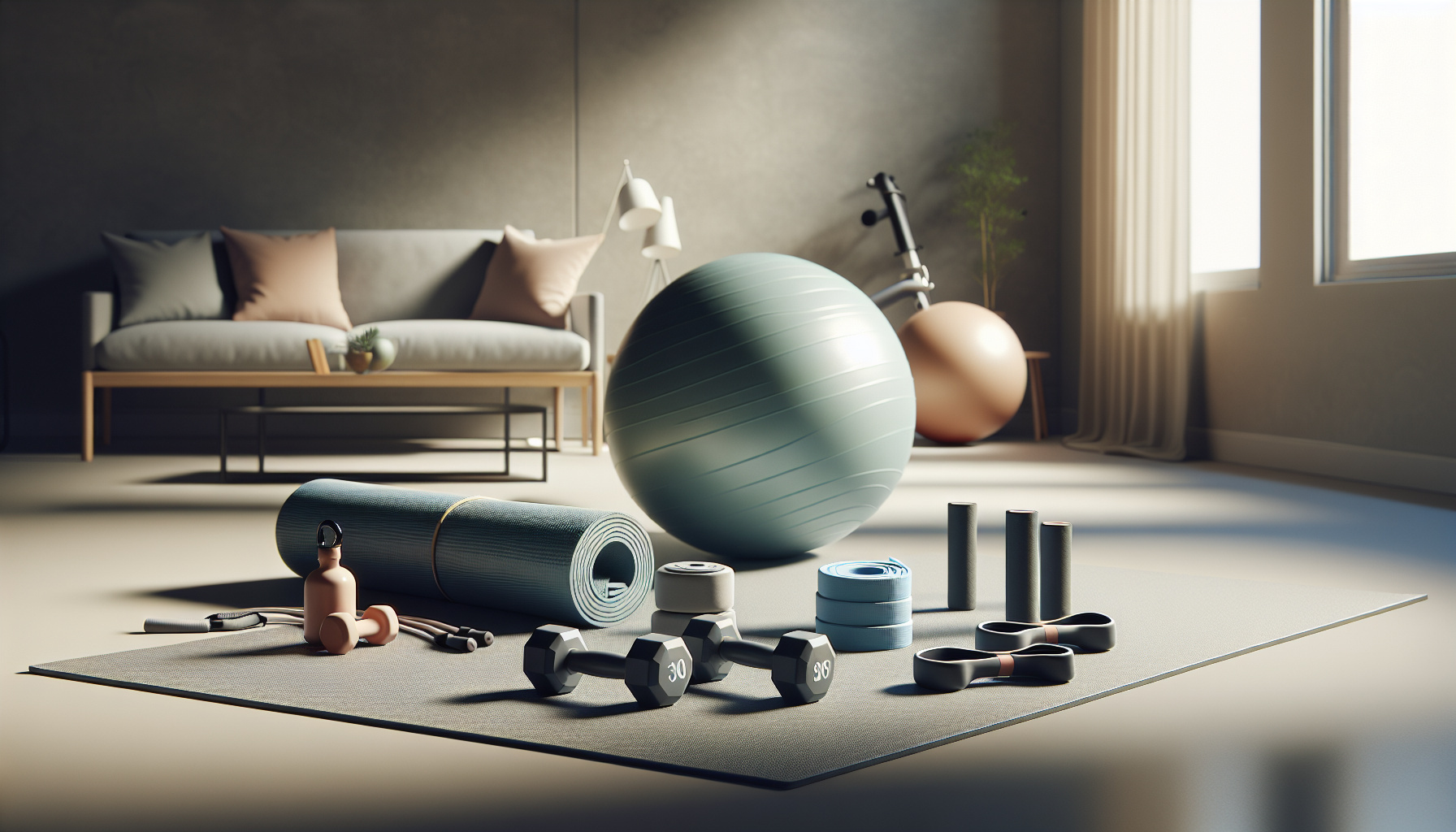
The pursuit of physical well-being has consistently driven advancements in home fitness equipment. From basic setups to comprehensive gym-like environments, the choices available are vast. This article offers a detailed look at various categories, helping individuals understand the nuances of each, and how to effectively incorporate them into a sustainable fitness plan.
Understanding Home Fitness Equipment Categories
Home fitness equipment can be broadly categorized to aid in the selection process. Understanding these categories and the specific types of equipment they encompass is the first step toward building a personalized home gym.
Cardio Equipment
Cardio equipment is designed to elevate heart rate and improve cardiovascular health. This category includes:
- Treadmills: These machines offer a controlled environment for walking, jogging, and running. They typically feature adjustable inclines and pre-programmed workouts. The primary benefits include improved cardiovascular health, calorie burning, and enhanced endurance. When choosing a treadmill, factors like motor power (measured in horsepower), running surface size, and features (such as heart rate monitoring and workout programs) should be considered.
- Elliptical Trainers: Ellipticals provide a low-impact workout, minimizing stress on joints. They simulate the movements of running and climbing stairs, engaging both upper and lower body muscles. Key features to evaluate include stride length, resistance levels, and the presence of incline options.
- Exercise Bikes: Stationary bikes offer a cycling workout within the home. They can be upright or recumbent, with recumbent bikes offering more back support. Features to consider include resistance levels, seat adjustability, and the presence of workout programs. Indoor cycling bikes often focus on a more intense and performance-oriented experience.
- Rowing Machines: Rowing machines provide a full-body workout, engaging multiple muscle groups. They simulate the motion of rowing a boat and are beneficial for both cardiovascular fitness and muscular strength. Key aspects to evaluate include resistance type (magnetic, air, or hydraulic), monitor features, and the machine's overall construction.
- Stair Steppers: Stair steppers mimic the action of climbing stairs, offering a focused lower-body workout. They are compact and can be effective for burning calories and improving leg strength. Features to consider include resistance levels and display options.
Strength Training Equipment
Strength training equipment is essential for building muscle mass, increasing strength, and improving bone density. This category includes:
- Dumbbells and Barbells: These classic tools allow for a wide range of exercises. Dumbbells offer versatility, allowing for isolated movements, while barbells are often used for compound exercises. The selection should consider weight increments, the presence of adjustable options, and storage solutions.
- Weight Plates: Weight plates are crucial for increasing the load during resistance training. They come in various sizes and materials and can be added to barbells and dumbbell handles.
- Resistance Bands: These are versatile and portable tools that provide resistance through elastic tension. They come in various resistance levels and can be used for a wide range of exercises, from rehabilitation to strength training.
- Weight Machines: Weight machines typically isolate muscle groups, allowing for controlled movements. These machines may include cable machines, lat pulldown machines, and leg press machines.
- Power Racks and Squat Racks: Essential for safety and performing exercises like squats, bench presses, and overhead presses. They offer a framework for supporting the weight and provide safety features.
- Kettlebells: These are cast iron weights with a handle and are used for dynamic, full-body workouts. They are available in various weights and are suitable for exercises like swings, snatches, and Turkish get-ups.
Core and Flexibility Equipment
This category focuses on exercises that strengthen the core muscles and improve flexibility, which are critical components of a balanced fitness routine.
- Yoga Mats: Provide cushioning and grip for floor exercises, including yoga and Pilates. Consider material, thickness, and size.
- Pilates Reformers: Machines designed specifically for Pilates exercises. They provide a unique form of resistance and are known for improving core strength, flexibility, and overall body awareness.
- Stability Balls (Exercise Balls): Used for various exercises that challenge balance and core stability. They come in different sizes, and the appropriate size depends on the user's height.
- Foam Rollers: Used for self-myofascial release (SMR) or "rolling out" muscles to reduce muscle soreness and improve flexibility. They are available in different densities and sizes.
- Resistance Tubes: These are similar to resistance bands but are typically tubes with handles. They provide resistance and are used for a variety of exercises focusing on strength and flexibility.
- Balance Boards: Designed to improve balance and coordination, often used in rehabilitation and sports training.
Accessories and Tools
These supplementary items enhance the home fitness experience, improving comfort, tracking progress, and expanding exercise options.
- Heart Rate Monitors: Track heart rate during workouts, allowing for optimal training intensity. They come in various forms, including chest straps and wrist-based monitors.
- Workout Gloves: Provide grip and protection during strength training exercises.
- Fitness Trackers: Monitor activity levels, sleep patterns, and other health metrics.
- Jump Ropes: A simple and effective tool for cardiovascular exercise and coordination.
- Pull-up Bars: Allow for performing pull-ups and chin-ups, great for upper body strength. These may be doorway mounted or free-standing.
- Smart Mirrors: Equipped with cameras and display screens, offering personalized workout guidance and tracking.
Evaluating and Selecting Equipment
Choosing the right equipment requires a thoughtful evaluation process. Several factors influence the best selection for an individual's specific needs.
Fitness Goals
The primary consideration should be the individual's fitness objectives. Are the goals focused on cardiovascular health, building muscle, or improving flexibility? Different types of equipment are better suited for different goals. For example, treadmills and elliptical trainers are ideal for cardio, while dumbbells and weight machines are appropriate for strength training.
Space Availability
Home gyms come in all sizes, and the space available dictates the types and number of equipment items that can be accommodated. Compact equipment, such as resistance bands and dumbbells, is ideal for limited spaces, while larger equipment such as treadmills and weight machines requires more room. Measurements of the exercise area are essential to determine the compatibility with specific equipment.
Budget
The financial resources available will influence the selection. Prices vary significantly across equipment types and brands. It is essential to determine the maximum amount that can be allocated for equipment. Sometimes, investing in versatile pieces that can be used for a variety of exercises, such as adjustable dumbbells or a multi-functional weight bench, may be a budget-friendly and efficient strategy. Researching various brands and comparing prices is crucial.
User Experience and Preferences
Personal preferences for exercise styles and workout experiences play a vital role. Some individuals prefer the controlled environment of weight machines, while others prefer the freedom and versatility of free weights. It's beneficial to try out equipment at a local gym or fitness center before making a purchase. Consider the features that enhance user experience, such as adjustable settings, comfortable padding, and ease of use.
Equipment Quality and Durability
Investing in quality equipment will ensure longevity and safety. Look for equipment made from durable materials. Check the warranty information. Researching brand reputation and reading user reviews helps assess the reliability and durability of the equipment. Well-maintained equipment is less likely to break down. Examine construction elements like welds, joints, and the overall robustness of the equipment.
Long-Term Considerations
Establishing a home gym is a long-term investment that requires ongoing maintenance, safety precautions, and regular evaluation. There are a number of ongoing considerations that are important for safe and productive use.
Maintenance and Upkeep
All fitness equipment needs regular maintenance to ensure optimal performance and longevity. This includes:
- Cleaning: Regularly wipe down equipment after use to remove sweat and debris. Use appropriate cleaning solutions as recommended by the manufacturer.
- Lubrication: Many machines require lubrication of moving parts to reduce friction and wear. Follow manufacturer’s instructions for lubrication intervals.
- Inspection: Regularly inspect equipment for signs of wear and tear, such as loose bolts, frayed cables, or worn pads. Replace worn or damaged parts promptly.
- Belt Adjustment: Treadmills require periodic belt adjustment to ensure proper tracking and prevent slippage.
Safety Practices
Safety is paramount when working out at home. These safety measures should be followed:
- Warm-up: Always warm up before starting any workout.
- Proper Form: Maintain correct form during exercises to prevent injuries. Consider seeking guidance from a certified personal trainer.
- Spotter: When lifting heavy weights, always use a spotter or utilize safety features like a power rack with safety catches.
- Weight Limits: Adhere to the weight limits specified by the equipment manufacturer.
- Environment: Ensure the exercise area is free from obstructions and has adequate ventilation.
- Emergency Plan: Have a plan in place in case of injury, including first-aid supplies and knowing how to contact emergency services.
Evolving Needs
Fitness goals and workout routines evolve over time. Regularly assess equipment and adjust as needed. Consider adding new equipment to address changing needs. For instance, as strength increases, more weight plates or a heavier dumbbell set may be needed. As preferences change, a different type of workout machine might become more appealing.
Storage and Organization
Proper storage is essential to maintain the longevity of equipment and to prevent clutter in the exercise space. Invest in storage solutions such as dumbbell racks, weight plate trees, and shelves. Store equipment when it is not in use, making the space safer. Keep the exercise area organized to promote a more productive and enjoyable workout experience.
Data Table: Common Home Fitness Equipment and Features
The following table provides a comparison of common home fitness equipment and some of their key features.
| Equipment Type | Primary Function | Key Features | Considerations |
|---|---|---|---|
| Treadmill | Cardiovascular exercise; walking, jogging, running. | Motor power (HP), incline, pre-programmed workouts, heart rate monitoring, running surface size. | Space requirements, noise levels, cost. |
| Elliptical Trainer | Cardiovascular exercise; low-impact full-body workout. | Stride length, resistance levels, incline options, console features. | Joint stress mitigation, muscle engagement. |
| Exercise Bike | Cardiovascular exercise; cycling workout. | Resistance levels, seat adjustability, workout programs, monitor display. | Bike type (upright vs. recumbent), comfort. |
| Dumbbells | Strength training; resistance exercises. | Weight increments, material, adjustable options. | Storage requirements, exercise versatility. |
| Resistance Bands | Strength training and flexibility; resistance training. | Resistance levels, material, portability. | Versatility, portability, ease of use. |
| Weight Bench | Strength training; support for various exercises. | Adjustability (incline, decline), padding, stability. | Exercise variations, space usage. |
Internal Links
For more detailed information, consider the following resources:
- Wikipedia: Physical Exercise - Provides broad overview of the subject.
- National Center for Biotechnology Information (NCBI): Exercise and Physical Fitness - Offers extensive details on the physiological effects of exercise.
- Centers for Disease Control and Prevention (CDC): Physical Activity - Provides guidelines for physical activity.
- Harvard T.H. Chan School of Public Health: Exercise - Presents research-backed information about the benefits of exercise.
Frequently Asked Questions
Below are answers to some frequently asked questions about home fitness equipment.
- What is the best type of equipment for beginners? For beginners, equipment like resistance bands, yoga mats, and exercise bikes provide a good entry point because they are low-impact, versatile, and relatively simple to use.
- How much space do I need for a home gym? The amount of space varies based on equipment choices. For basic setups, a small room or even a corner of a room may suffice. For a more comprehensive gym, a larger space is required to accommodate multiple machines and free space. Careful planning is essential to ensure adequate space for movement and safety.
- How often should I maintain my equipment? Maintenance frequency varies depending on the equipment. Generally, machines need to be cleaned after use, and moving parts should be lubricated regularly. Read the manufacturer’s instructions for specific maintenance guidelines.
- What are the key safety considerations when using home fitness equipment? Always warm up before working out, use proper form, and never lift weights alone (unless using safety features). Regularly inspect equipment for any signs of wear and tear, and follow the weight limits.
- Can I build a complete home gym on a budget? Yes, it is possible. Prioritize versatility. Consider buying used equipment, and focus on equipment like resistance bands, dumbbells, and adjustable benches.
Disclaimer
This content is provided for informational purposes only and does not constitute professional advice. Consult with a healthcare professional before starting any new exercise program.
Sources
- American College of Sports Medicine (ACSM): Offers evidence-based resources and guidelines on exercise and fitness.
- National Strength and Conditioning Association (NSCA): Provides research-backed information on strength and conditioning.
- Mayo Clinic: Provides comprehensive health information, including exercise guidance.
- PubMed Central: A free archive of biomedical and life sciences literature.
- World Health Organization (WHO): Provides global health guidelines, including those related to physical activity.
This article provides a thorough guide to the home fitness equipment market, equipping readers with the knowledge needed to build an effective and safe home gym.
This comprehensive guide details the diverse world of home fitness equipment, offering in-depth analysis of various categories like cardio, strength training, and accessories. It emphasizes key considerations such as fitness goals, space, budget, and long-term maintenance, equipping readers with the knowledge to make informed decisions. Practical guidance, a comparative table, and a dedicated FAQ section further support the creation of a personalized, sustainable home fitness routine. Remember to consult relevant health professionals before starting any new exercise programs.