Understanding Recovery Tools and Wellness Equipment: An Informative Guide
In the evolving landscape of personal health and well-being, the utilization of recovery tools and wellness equipment has gained significant attention. As individuals increasingly prioritize proactive approaches to physical and mental restoration, understanding the diverse array of available options becomes crucial. This guide aims to provide an objective overview of recovery tools and wellness equipment, exploring their functionalities, considerations for their use, and their role in supporting a balanced lifestyle in 2026. The focus remains on providing comprehensive, educational information for those seeking to understand this domain better.
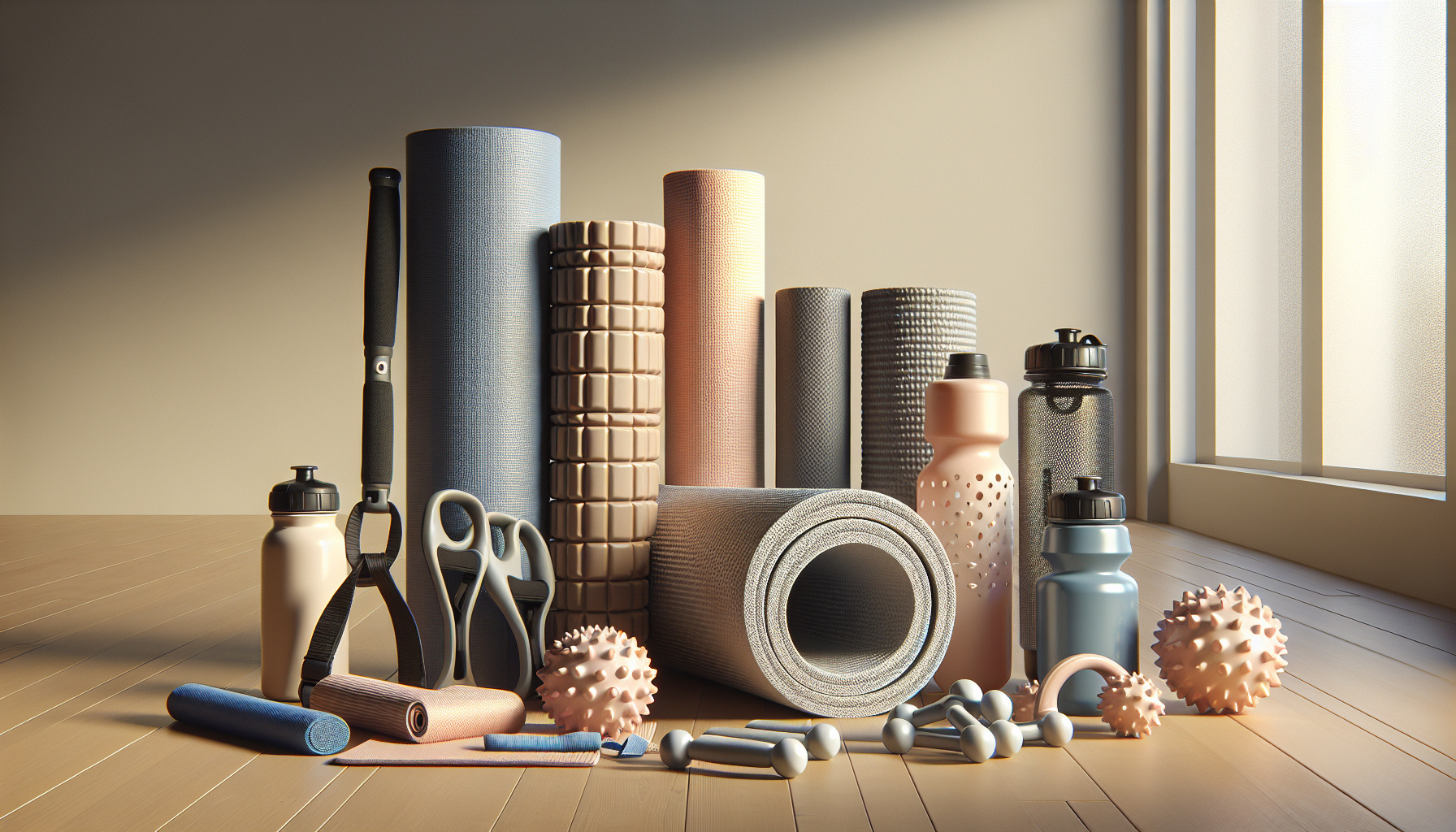
The pursuit of enhanced physical and mental well-being is a continuous journey, and in 2026, the integration of specialized tools and equipment plays a pivotal role for many. These resources are designed to aid in various aspects of health management, from physical recovery after exertion to stress reduction and the promotion of overall vitality. This article delves into the functionalities, practical considerations, and long-term aspects of recovery tools and wellness equipment, presented in an educational and neutral capacity. The aim is to equip individuals with knowledge to understand this evolving field, rather than to promote any specific item or brand.
Exploring Categories of Recovery and Wellness Equipment
The spectrum of recovery tools and wellness equipment is broad, catering to a diverse range of needs. Generally, these can be categorized based on their primary function:
1. Muscle Recovery and Myofascial Release Tools
These tools are primarily used to address muscle soreness, improve flexibility, and aid in the recovery process following physical activity. They often target the fascia, the connective tissue that surrounds muscles and organs.
- Foam Rollers: Available in various densities and textures, foam rollers are used for self-myofascial release. They help to break up muscle knots and adhesions, improve blood flow, and reduce muscle stiffness. Different textures can target specific areas or offer varying degrees of intensity.
- Massage Balls: Similar in function to foam rollers but more localized, massage balls (often made of rubber or dense foam) are effective for reaching smaller, specific muscle groups or trigger points that might be difficult to access with a foam roller. Lacrosse balls and tennis balls are common household alternatives.
- Percussion Massagers (Massage Guns): These electronic devices deliver rapid, repetitive pulses of pressure into the muscles. They are designed to penetrate deeper into muscle tissue, promoting blood circulation and alleviating muscle tightness. Different attachments can be used to target various muscle groups and depths.
- Massage Sticks/Rollers: These are handheld tools with rotating barrels that can be rolled over muscles. They offer a more controlled pressure application and are useful for targeting specific areas of tension.
2. Mobility and Flexibility Aids
Equipment in this category focuses on increasing range of motion, improving posture, and enhancing overall bodily movement.
- Resistance Bands: Versatile and portable, resistance bands come in various strengths and are used for strength training, stretching, and rehabilitation. They provide a form of elastic resistance that can help to improve muscle strength and flexibility without the impact of weights.
- Stretching Straps: These durable straps assist in deepening stretches by allowing individuals to hold positions for longer or achieve greater extension than they might be able to on their own. They are often used in yoga, physical therapy, and general flexibility training.
- Balance Boards/Wobble Boards: These devices challenge proprioception and core stability. By requiring constant adjustments to maintain balance, they can help to strengthen stabilizing muscles, improve coordination, and aid in the rehabilitation of ankle and knee injuries.
3. Relaxation and Stress Reduction Equipment
This segment of wellness equipment is geared towards promoting mental calmness, reducing stress, and facilitating a state of relaxation.
- Meditation Cushions (Zafus): Designed to support an upright and comfortable seated posture for meditation, these cushions help to align the spine and alleviate pressure on the knees and ankles, making longer meditation sessions more accessible.
- Eye Masks: Often made from silk or soft cotton, eye masks can block out light, promoting deeper sleep and relaxation, particularly useful for those sensitive to light or during travel. Some may incorporate gentle cooling or warming elements.
- Aromatherapy Diffusers: These devices disperse essential oils into the air, which proponents suggest can influence mood and promote relaxation through olfactory stimulation. Different oils are associated with various therapeutic effects.
- Weighted Blankets: These blankets are designed to provide deep pressure stimulation, which some research suggests can have a calming effect, similar to a hug. They can potentially help reduce anxiety and improve sleep quality for some individuals.
4. Sleep and Rest Enhancement Tools
Optimizing sleep is fundamental to recovery and overall health. These tools aim to improve sleep quality and duration.
- Sound Machines: These devices produce continuous sounds, such as white noise, pink noise, or nature sounds, to mask disruptive environmental noises and create a more conducive sleep environment.
- Light Therapy Devices: Used to regulate circadian rhythms, certain light therapy lamps mimic natural sunlight and can be helpful for individuals experiencing seasonal affective disorder or sleep disturbances.
Practical Guidance for Understanding and Evaluating Options
When exploring recovery tools and wellness equipment, an objective approach to evaluation is beneficial. Consider the following aspects:
- Intended Use: Clearly identify the primary purpose for which the equipment is being considered. Is it for post-exercise recovery, pain management, stress reduction, or enhancing flexibility? This will narrow down the relevant categories.
- Material and Durability: For items like foam rollers or massage balls, the density and quality of the material are important for both effectiveness and longevity. Higher-density foam often provides a deeper massage but may be too intense for beginners.
- Ergonomics and Ease of Use: The design of the equipment should allow for comfortable and safe handling. For electronic devices, consider the weight, grip, and the intuitiveness of controls.
- Size and Portability: Depending on intended use, the size and weight of the equipment may be a factor. Some tools are designed for home use, while others are compact and portable for travel or gym use.
- User Feedback (Informational Context): While avoiding specific endorsements, understanding common user experiences and reported functionalities from educational reviews or descriptive analyses can provide insights into how a particular type of tool typically performs. Focus on descriptions of function and common applications rather than subjective opinions.
Example: Comparing Foam Rollers
When considering foam rollers, several factors differentiate them:
- Density: Soft, medium, and firm densities cater to different needs. Beginners may find softer rollers more comfortable, while those seeking deeper tissue work might prefer firmer options.
- Surface Texture: Smooth rollers offer a uniform pressure, while textured or "knobbed" rollers aim to mimic the feeling of a massage therapist's hands, targeting specific knots more intensely.
- Size and Shape: Standard cylindrical rollers are common, but some are designed as half-rolls for stability or with specific shapes to target areas like the neck or back.
Example: Evaluating Percussion Massagers
For percussion massagers, key aspects include:
- Amplitude: This refers to the depth of the massage head's travel, typically measured in millimeters. Higher amplitudes can penetrate deeper into the muscle.
- Frequency (Percussions Per Minute - PPM): This indicates how quickly the massage head oscillates. Different frequencies can target different muscle states, from gentle stimulation to deep tissue work.
- Stall Force: This is the amount of pressure required to stop or slow down the motor. A higher stall force indicates the device can maintain its intensity under pressure.
- Attachments: Various head attachments (e.g., ball, bullet, fork) are designed for different muscle groups and types of massage.
Long-Term Considerations and Responsibilities
Incorporating recovery tools and wellness equipment into a routine involves ongoing considerations beyond the initial acquisition.
Maintenance and Care
Most simple tools, such as foam rollers, massage balls, and resistance bands, require minimal maintenance. Regular cleaning with a damp cloth and mild soap can prevent the buildup of sweat and debris. Electronic devices, like percussion massagers, may require charging and occasional cleaning of their components. It is advisable to consult manufacturer guidelines for specific care instructions.
Risks and Limitations
While generally safe when used as directed, some risks and limitations are associated with these tools:
- Overuse and Injury: Applying excessive pressure or using tools for too long, especially without proper technique, can potentially lead to bruising, skin irritation, or exacerbate existing injuries. It is crucial to listen to one's body and start with gentler applications.
- Contraindications: Individuals with certain medical conditions, such as active infections, open wounds, recent surgeries, or specific circulatory issues, should consult a healthcare professional before using certain recovery equipment, particularly deep tissue or percussive tools.
- False Sense of Security: Relying solely on equipment without addressing underlying issues or engaging in balanced training and lifestyle practices may not yield optimal results.
- Effectiveness Variability: The perceived effectiveness of these tools can vary significantly among individuals based on their physiology, the specific condition being addressed, and proper usage.
Ethical Use and Information Accuracy
It is important to approach information about wellness equipment with a critical and objective mindset. Claims regarding specific therapeutic benefits should be viewed as descriptive of potential applications rather than guaranteed outcomes. Information should be sought from reputable sources that prioritize education and avoid hyperbole or commercial endorsements.
Repetitive Strain and Habit Formation
The repetitive nature of using some tools, such as foam rolling or massage gun use, should be integrated thoughtfully into a routine. Consistent, prolonged, or improper use could, in rare cases, lead to new strains if not performed correctly. Developing a balanced approach that includes varied recovery modalities is often beneficial.
Data on Common Recovery Tool Usage Characteristics
The following table provides general characteristics and typical applications for commonly used recovery tools. This data is illustrative and based on general product descriptions, not specific brand performance.
| Tool Type | Primary Function Category | Typical Material Composition | Common Forms/Variations | Primary Application Areas | User Skill Level (General) |
|---|---|---|---|---|---|
| Foam Roller | Myofascial Release, Flexibility | High-density foam (EVA, EPP) | Smooth, Textured, Half-round, Dense | Large muscle groups (quads, hamstrings, back) | Beginner to Advanced |
| Massage Ball | Targeted Myofascial Release, Trigger Point Therapy | Rubber, Dense Foam, Silicone | Small, Medium, Large diameter; Spiky variations | Specific muscle knots, shoulders, glutes, feet | Beginner to Advanced |
| Percussion Massager | Deep Tissue Massage, Muscle Recovery | Plastic/Metal casing, Foam/Silicone attachments | Handheld, various speed/amplitude settings | All major muscle groups | Beginner to Advanced (requires proper technique) |
| Resistance Band | Strength Training, Flexibility, Rehabilitation | Latex, TPE, Fabric | Loop bands, tube bands with handles, varying resistance levels | Full body strength and mobility | Beginner to Advanced |
| Weighted Blanket | Relaxation, Anxiety Reduction (Self-Reported) | Cotton, Polyester, Glass beads/Pellets | Various weights and sizes | General relaxation, sleep support | N/A (usage based on preference and comfort) |
Internal Linking to Authoritative Resources
- For information on the science behind muscle recovery and physical therapy, consult resources on [Muscle Recovery on Wikipedia].
- To understand the principles of biomechanics and their relation to movement and flexibility aids, explore [Biomechanics on Wikipedia].
- For insights into stress management techniques and their physiological impacts, refer to public health information from institutions like the [National Institutes of Health].
- Information on sleep science and its importance for overall health can be found through resources like the [Centers for Disease Control and Prevention (CDC) - Sleep and Sleep Disorders].
Frequently Asked Questions (FAQ)
Q1: How often should I use recovery tools?
The frequency of use depends on the tool and individual needs. For muscle recovery tools like foam rollers or massage guns, daily use might be beneficial for some, while others may find it sufficient to use them a few times a week. It is important to avoid overdoing it and listen to your body's signals. For relaxation tools, such as weighted blankets or aromatherapy, usage can be as needed for comfort and stress reduction.
Q2: Are there any risks associated with using massage guns?
While beneficial for many, massage guns carry some risks. They should not be used directly on bones, joints, or inflamed areas. Individuals with certain medical conditions, such as deep vein thrombosis, nerve disorders, or those who are pregnant, should consult a healthcare provider before use. Improper technique or excessive pressure can also lead to bruising or muscle damage.
Q3: Can recovery tools replace professional therapy?
Recovery tools can be valuable adjuncts to professional care, aiding in self-management of muscle tightness and promoting relaxation. However, they are generally not a substitute for professional medical advice, diagnosis, or treatment from qualified healthcare practitioners, such as physical therapists or doctors, especially for persistent pain or injuries.
Q4: What is the difference between a foam roller and a massage ball?
A foam roller is typically used for larger muscle groups to release general tightness and improve blood flow over a broader area. A massage ball, being smaller and more precise, is ideal for targeting specific knots or trigger points within muscles that might be difficult to reach with a foam roller.
Q5: How do I choose the right resistance band for my needs?
Resistance bands are often categorized by their level of resistance, from light to extra heavy. Beginners usually start with lighter bands and progress as their strength increases. The type of exercise or movement you intend to perform can also influence the choice of band (e.g., loop bands for lower body exercises, tube bands for upper body workouts).
Disclaimer
This content is provided for informational purposes only and does not constitute professional advice. The information presented here is not a substitute for professional medical advice, diagnosis, or treatment. Always seek the advice of your physician or other qualified health provider with any questions you may have regarding a medical condition or the use of any equipment.
Sources
- Harvard Health Publishing. (n.d.). Foam rolling: What you need to know. Harvard Medical School.
- National Institutes of Health. (n.d.). Understanding Sleep. National Heart, Lung, and Blood Institute.
- Mayo Clinic. (n.d.). Massage therapy: Benefits and risks.
- Cleveland Clinic. (n.d.). What Are Massage Guns and How Do They Work?
This guide explores the diverse world of recovery tools and wellness equipment, categorizing them into muscle recovery aids, mobility tools, relaxation devices, and sleep enhancers. It provides practical advice on evaluating these options based on intended use, material, and ergonomics, using foam rollers and percussion massagers as examples. Long-term considerations, including maintenance, potential risks like overuse, and the importance of professional consultation, are discussed. A table illustrates typical characteristics of common tools, and a FAQ section addresses common user queries. The article emphasizes an educational and neutral approach, concluding with a disclaimer and a list of authoritative sources.