Exploring Effective Filing Systems for Document Storage Solutions
In an increasingly information-driven world, the effective management of documents remains a cornerstone of personal and professional organization. As we navigate toward 2026, the sheer volume of both physical and digital records continues to grow, making robust document storage solutions and well-defined filing systems more critical than ever. This guide delves into the principles and practices of establishing and maintaining efficient filing systems, offering insights into various approaches to ensure documents are accessible, secure, and well-organized. The focus remains on understanding the underlying methodologies and considerations, rather than promoting specific commercial products.
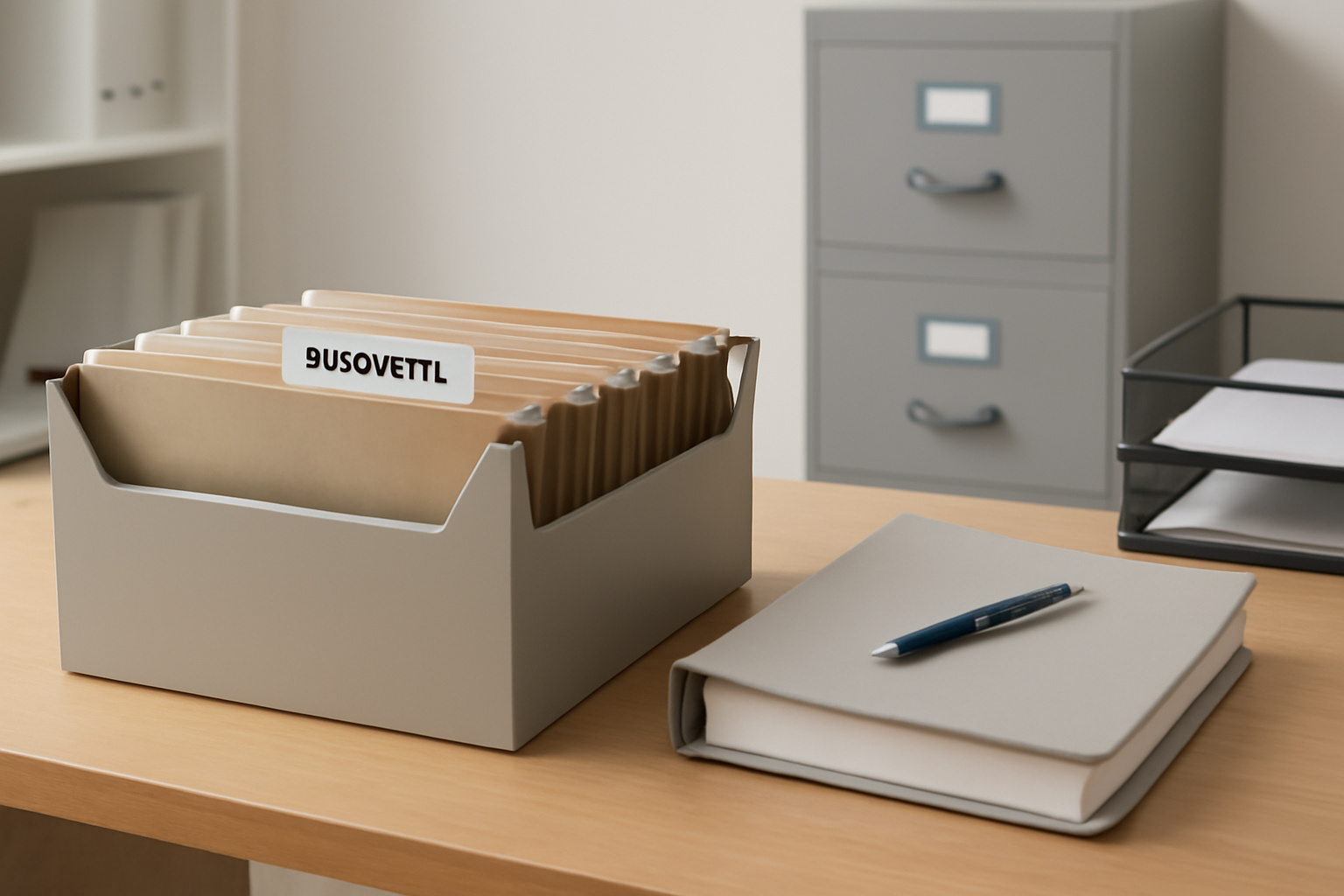
The ability to locate specific information quickly and reliably is fundamental to productivity and informed decision-making. Whether for academic research, business operations, legal compliance, or personal record-keeping, a well-structured filing system acts as the backbone of an organized information landscape. This exploration aims to demystify the process of creating effective document storage solutions by examining different organizational philosophies, practical implementation strategies, and the long-term implications of document management choices. The objective is to equip individuals and organizations with the knowledge to implement systems that best suit their unique needs, emphasizing clarity, accessibility, and integrity of information.
Understanding the Fundamentals of Filing Systems
At its core, a filing system is a method for organizing and storing documents so they can be retrieved efficiently. The choice of system often depends on the type of documents, their frequency of use, the volume of records, and the regulatory or personal requirements for retention. Broadly, filing systems can be categorized into two main types: alphabetical and numerical. Within these categories, various sub-types and hybrid approaches exist to cater to specific organizational needs.
Alphabetical Filing Systems
Alphabetical filing is perhaps the most intuitive system. Documents are arranged based on names – typically the name of a person, company, or subject. This method is straightforward for smaller collections or when direct retrieval by name is paramount.
- Advantages: Easy to understand and implement, direct access by name.
- Disadvantages: Can become cumbersome with a large volume of documents, requires consistent spelling, potential for misfiling if names are similar.
- Variations:
- Direct Filing: Documents are filed directly under the appropriate letter or name.
- Indirect Filing: An index or cross-reference system is used, where a document might be filed under a subject or category, but an index points to its exact location. This is often used for complex subject-based filing.
Numerical Filing Systems
Numerical filing systems use numbers to identify and organize documents. This can range from simple sequential numbering to more complex systems like terminal digit filing or Dewey Decimal Classification for libraries. Numerical systems are often preferred in environments where security and confidentiality are high priorities, or where the sheer volume of documents necessitates a more structured approach.
- Advantages: Excellent for large volumes, inherently organized, reduces misfiling errors related to names, can enhance confidentiality (as numbers don't reveal contents as readily as names).
- Disadvantages: Requires a cross-reference file or index to link numbers to names or subjects, retrieval might be slightly slower if the index is not readily accessible.
- Variations:
- Sequential Numbering: Documents are assigned consecutive numbers as they are created or received.
- Terminal Digit Filing: Documents are filed based on the last digits of a number, then the second-to-last, and so on. This method helps distribute files evenly across the filing area, reducing congestion in any single section.
- Subject/Classification Numbering: Numbers are assigned based on a pre-defined classification scheme (e.g., Dewey Decimal, Library of Congress). This is common in libraries and archives.
Subject-Based Filing Systems
This system organizes documents based on their content or subject matter. It is particularly useful for research institutions, businesses with diverse product lines, or individuals managing a broad range of personal interests. Subject filing can be alphabetical (subjects filed alphabetically) or numerical (subjects assigned numbers based on a classification system).
- Advantages: Groups related information together, ideal for research and analysis, intuitive for users familiar with the subject matter.
- Disadvantages: Defining subject categories can be challenging and may require consistent interpretation, documents can sometimes fit into multiple categories, necessitating cross-referencing.
Practical Guidance for Implementing a Filing System
Choosing the right filing system is the first step. The next is effective implementation. This involves establishing clear procedures, ensuring consistency, and providing necessary resources.
Evaluating Your Document Needs
Before selecting a system, it’s crucial to understand the nature of the documents you manage:
- Volume: How many documents do you have now, and how many do you anticipate?
- Frequency of Access: How often will you need to retrieve these documents?
- Confidentiality: Are some documents sensitive and require restricted access?
- Retention Requirements: Are there legal or regulatory mandates for how long documents must be kept? (See resources on government record-keeping guidelines for context).
- Type of Documents: Are they primarily correspondence, financial records, research papers, visual media, etc.?
Choosing the Right System Components
Regardless of the overarching system (alphabetical, numerical, subject), several components contribute to its effectiveness:
- Filing Cabinets/Shelving: The physical or digital infrastructure for storage.
- Folders: Used to group related documents within a file. Types include manila folders, hanging folders, and specialized archival folders.
- Labels: Clear, legible, and consistent labeling is paramount. Consider font size, type, and placement.
- Indexing/Cross-Referencing: Essential for numerical and complex subject systems. This can be a physical ledger, a spreadsheet, or a database.
- Color-Coding: Can visually differentiate categories or urgency, aiding in quick identification.
Developing Consistent Procedures
A system is only as good as its adherence. Establishing clear, written procedures is vital:
- Standard Naming Conventions: For digital files, consistent naming is crucial. For physical files, consistent labeling is key.
- Filing Schedule: Define when new documents are filed.
- Retrieval Process: How are documents requested and returned?
- Archiving and Disposal Policy: Define criteria for moving documents to inactive storage or for their secure destruction. This aligns with the principles of records management, which are often governed by specific regulations.
- Training: Ensure everyone who uses the system understands its structure and their responsibilities.
Digital vs. Physical Filing
The digital age has introduced new dimensions to document storage. While physical filing systems remain relevant for certain documents, digital document management systems (DMS) offer advantages in terms of accessibility, searchability, and space-saving.
- Physical Systems: Best for original legal documents, highly sensitive paper records, or when digital conversion is not feasible. Requires physical space and regular maintenance.
- Digital Systems: Can include simple file folder structures on a computer, cloud storage, or dedicated DMS software. Offers powerful search capabilities, version control, and remote access.
Many organizations adopt a hybrid approach, maintaining physical archives while digitizing active or frequently accessed documents.
Long-Term Considerations for Document Storage Solutions
Implementing a filing system is not a one-time task; it requires ongoing commitment and adaptation.
Maintenance and Regular Audits
Periodically reviewing the filing system is essential to ensure its continued effectiveness. This includes:
- Purging: Removing outdated or duplicate documents according to the disposal policy. This prevents clutter and reduces storage needs.
- Reorganization: If the system becomes unwieldy, a reorganization might be necessary.
- Auditing: Checking for misfiled documents, ensuring labels are clear, and verifying that procedures are being followed.
Security and Confidentiality
Protecting sensitive information is a critical aspect of document storage. This involves both physical and digital security measures.
- Physical Security: Locked cabinets, restricted access to storage areas, shredding services for disposal.
- Digital Security: Strong passwords, encryption, access controls, regular backups, and secure cloud storage solutions. Compliance with data privacy regulations is paramount.
Disaster Recovery and Business Continuity
Natural disasters, cyberattacks, or accidental data loss can threaten document integrity. A robust disaster recovery plan is crucial.
- Backups: Regular, offsite, and tested backups of digital data.
- Redundancy: Storing critical physical documents in secure, offsite locations.
- Contingency Plans: Procedures for operating during and after a disruptive event.
Scalability and Adaptability
As your information needs grow or change, your filing system must be able to scale. This might involve acquiring more storage space, expanding digital capacity, or even transitioning to a different system altogether.
Legal and Regulatory Compliance
Many industries and jurisdictions have specific laws and regulations governing document retention and disposal. Staying informed about these requirements is vital to avoid penalties and legal repercussions. For instance, understanding the General Data Protection Regulation (GDPR) or similar data privacy laws is crucial for managing personal information.
Data on Document Management Trends
While specific commercial product data is not within scope, general trends in document management highlight the evolving landscape. The shift towards digital solutions is undeniable, driven by the need for efficiency, collaboration, and accessibility. However, the complexity of managing both physical and digital assets remains a significant consideration for many entities.
| Year (Estimated) | Percentage of Organizations Primarily Using Physical Filing | Percentage of Organizations Primarily Using Digital Filing | Percentage of Organizations Using Hybrid Systems |
|---|---|---|---|
| 2020 | 45% | 30% | 25% |
| 2023 | 30% | 50% | 20% |
| 2026 (Projected) | 15% | 70% | 15% |
Note: This table presents illustrative data reflecting general trends in document management adoption. Actual figures may vary based on industry, region, and specific organizational characteristics.
Internal Linking Examples
For deeper understanding of related concepts:
- Explore the principles of Information Management.
- Understand the importance of Record Management in organizational contexts.
- Learn about the role of Federal Records Management principles (from the U.S. National Archives and Records Administration) which often inform best practices more broadly.
- Consider the ethical implications of information handling by reviewing resources on Ethics of Information.
Frequently Asked Questions (FAQ)
What is the most important factor when choosing a filing system?
The most important factor is understanding your specific document needs, including volume, frequency of access, confidentiality, and retention requirements. A system that works for one individual or organization might not be suitable for another.
How do I organize a large volume of documents efficiently?
For large volumes, numerical or subject-based filing systems with robust indexing are often more efficient than purely alphabetical systems. Implementing clear sub-categories within subject folders, utilizing color-coding, and ensuring consistent labeling are also critical. For digital documents, powerful search functions within a well-structured folder hierarchy or a dedicated document management system are essential.
Is it still necessary to keep physical copies of documents?
This depends on the type of document and legal/regulatory requirements. Original legal documents, deeds, certain contracts, and historical records often require physical retention. However, for many day-to-day documents, digital copies are sufficient and offer greater accessibility and manageability. Always consult relevant guidelines for specific document types.
How often should I purge my files?
The frequency of purging depends on your document retention policy, which should be informed by legal, regulatory, and business needs. Some documents may require yearly review for potential disposal, while others might have multi-year or indefinite retention periods. Establishing a regular schedule (e.g., annually) for reviewing and purging files is a good practice.
What are the risks of an ineffective filing system?
Ineffective filing systems can lead to lost documents, wasted time searching for information, reduced productivity, potential legal non-compliance, security breaches due to disorganization, and increased stress. For businesses, it can impact decision-making and operational efficiency.
Disclaimer
This content is provided for informational purposes only and does not constitute professional advice. For specific guidance on legal, financial, or regulatory matters related to document management, please consult with qualified professionals.
Sources
- National Archives and Records Administration (NARA). Records Management. Retrieved from archives.gov.
- International Organization for Standardization (ISO). (2015). ISO 15489-1:2015 Information and documentation -- Records management -- Part 1: General principles.
- Association for Intelligent Information Management (AIIM). Resources. Retrieved from aiim.org.
- Library of Congress. Classification. Retrieved from loc.gov.
This guide explores the critical importance of effective filing systems for document storage solutions, particularly relevant as we approach 2026. It differentiates between alphabetical, numerical, and subject-based filing methods, outlining their respective advantages and disadvantages. Practical guidance is offered on evaluating document needs, selecting system components, and developing consistent procedures for both physical and digital documents. Long-term considerations, including maintenance, security, disaster recovery, scalability, and legal compliance, are detailed to ensure sustained document integrity and accessibility. The article also includes illustrative data on document management trends and addresses common queries in an FAQ section, concluding with a disclaimer and authoritative sources for further reading. The overarching theme emphasizes a strategic and informed approach to document organization for optimal efficiency and security.